
Seasonal guide · Fall · September to November
Fall: the most important season for a Minnesota lawn, and the last call before freeze
Cool air, warm soil, and a hard deadline. What you do in September and October is what you'll see in May.
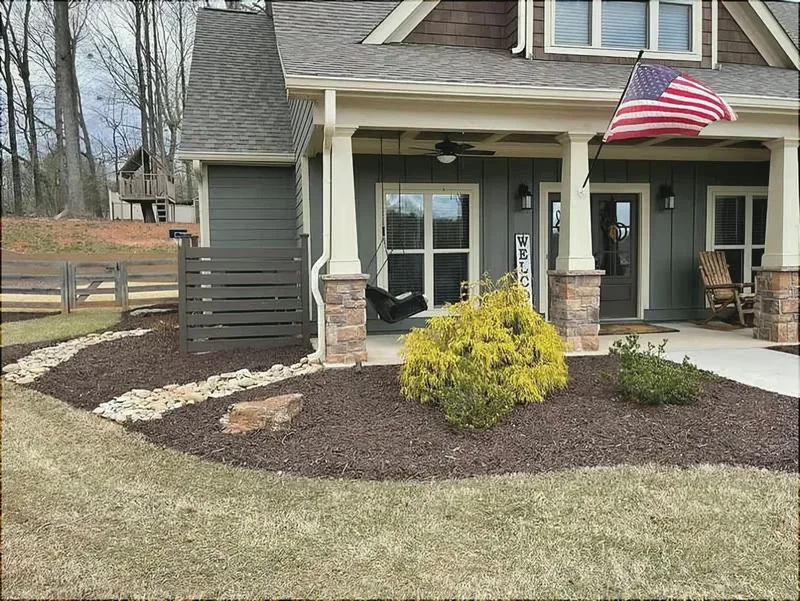
If you only put effort into your yard one season a year, make it fall. The soil is still warm from summer, the air is cool, and weeds have quit for the year, which is exactly what grass wants. Fall is also when Minnesota hands you a deadline. Everything with water in it needs to be drained, and anything built on a compacted base has to go in before the ground freezes.
The short version
- Early September is the best time of year to lay sod, seed, aerate, and overseed.
- Fertilize twice: early September, then a winterizer in late October before the ground freezes. Fall feeding matters more than spring.
- Keep leaves from matting on the lawn. Mulch-mow light layers, remove heavy ones.
- Plant trees, shrubs, and bulbs in September and early October so roots settle before freeze.
- Blow out the irrigation system before the first hard freeze, typically by mid-October in the Twin Cities.
- October is the last month for patio and wall construction. Once the ground freezes, base work stops until spring.
- Last mow of the year goes a little shorter, 2 to 2.5 inches, to discourage snow mold.
Month by month
September
Lawn month. Core aeration opens up compacted soil, and overseeding right behind it fills in thin spots while the soil is warm enough to germinate in a week. New sod roots fast now and needs far less babysitting than in June. First fall fertilizer application. This is also the best planting month for trees and shrubs, which get six to eight weeks of root growth before the ground cools.
October
Deadline month. Irrigation gets blown out with compressed air, zone by zone, so no water is left in the lines to freeze and split them; a cracked backflow preventer is one of the most expensive small parts in the yard. Patios, walkways, and retaining walls get their last construction window while the base material can still be compacted. Fresh mulch goes down late in the month after the soil has cooled, so it insulates perennials instead of keeping roots active. Winterizer fertilizer goes on around Halloween.
November
Buttoning up. Final mow, shorter. Last leaf removal so nothing sits matted under the snow. Walk the property once more and look at grading: water should run away from the foundation, and anywhere it pools now is where ice will form in January. Stock a paver-safe de-icer before the first storm; rock salt on a new patio's first winter is the most common way to damage it.
Why it matters here
Cool-season grass does most of its root growth in fall, not spring. Feeding it in September and again in late October builds the root system that carries the lawn through winter and gives it a fast green-up in April. That's why a fall-fed lawn looks better in May than one that got a spring-only treatment. On the hardscape side, the ground in the Twin Cities freezes several feet deep. Water left in irrigation lines expands and cracks pipe, fittings, and heads, and a paver base laid on frozen ground can't be compacted and will settle unevenly. Fall's deadlines aren't arbitrary. They're the frost line.
What we can do this season
- Sod, seeding, aeration, and overseeding
- Fall fertilizer and winterizer applications
- Irrigation winterization (blowout)
- Final-window patio and wall construction
- Mulch and rock beds before freeze
- Grading and drainage checks